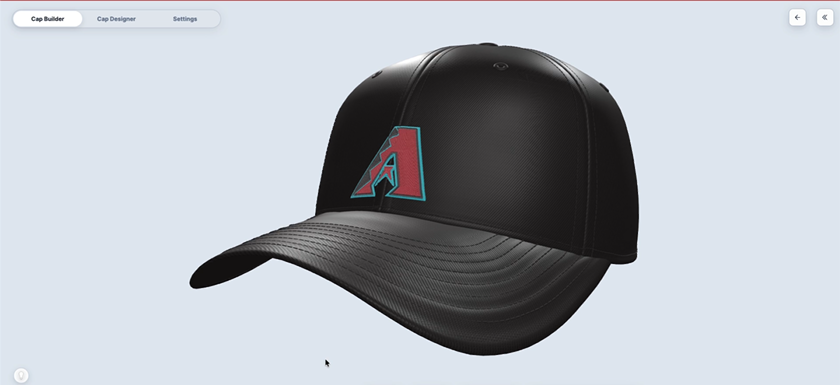
What was needed
The client wanted flat logos to look like embroidery. Some areas needed to stay flat, others to rise, while the artwork kept its original colors and dimensions.
We delivered a procedural embroidery workflow for the editor, then explored a faster way to build and check cap models.
3D cap modeling
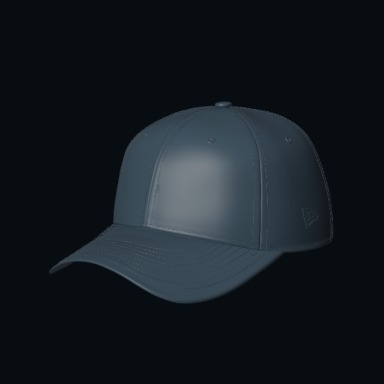
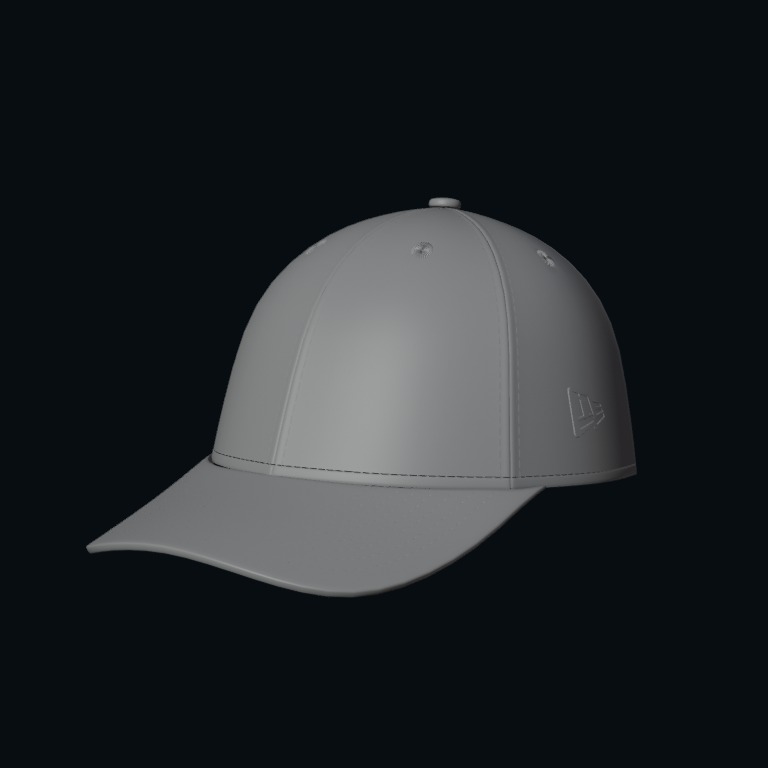
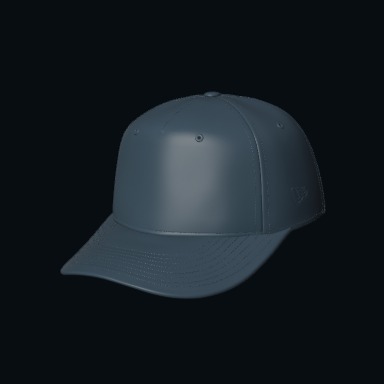
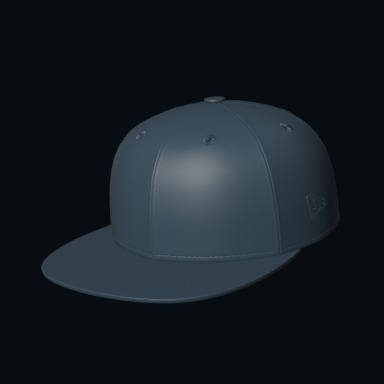
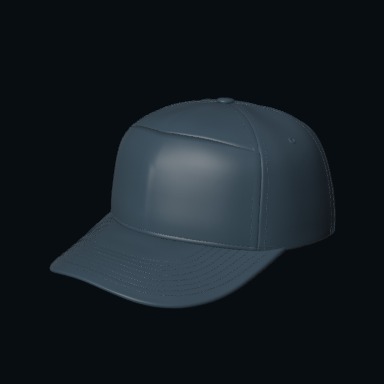
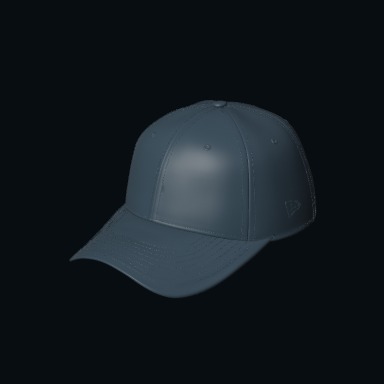
We used existing cap meshes and a reusable rig to move from a reference image to an editable 3D shape. The artist could adjust the crown and visor, then fine-tune the result.
More about the cap workflow ↗Cap models
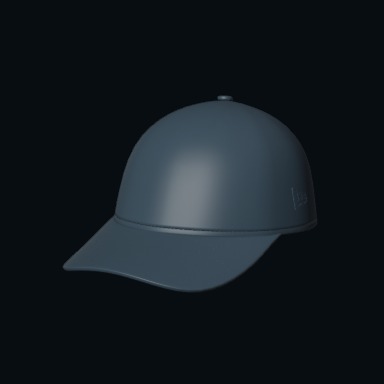
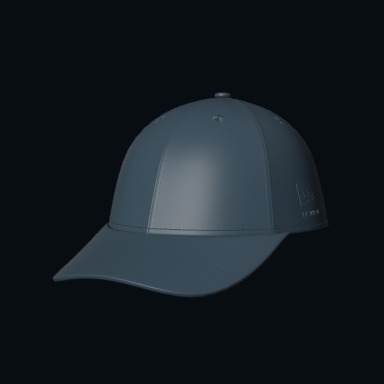
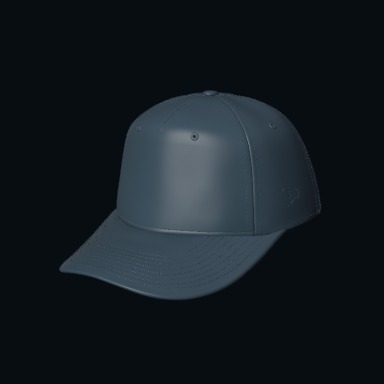
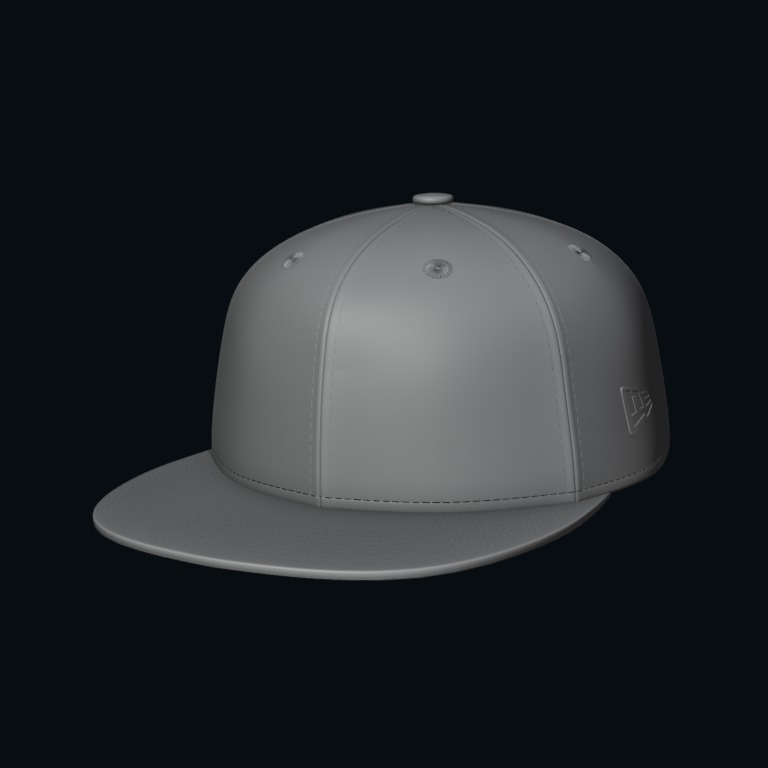
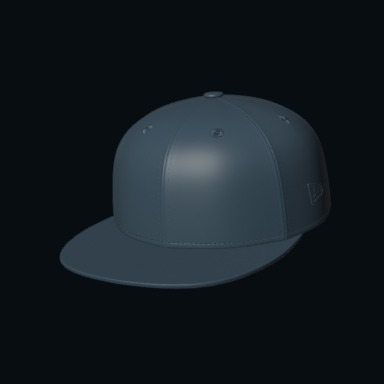
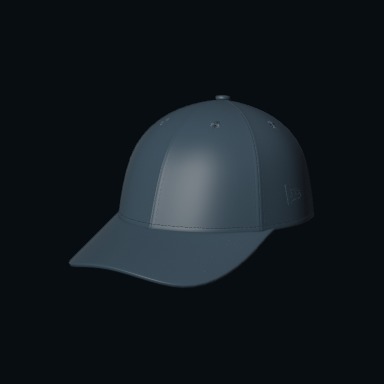
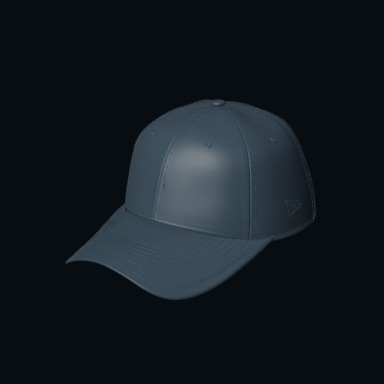
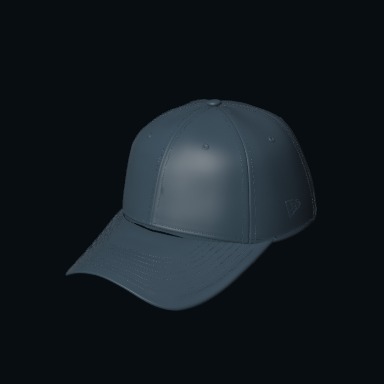
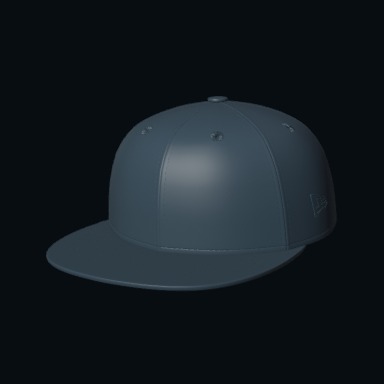
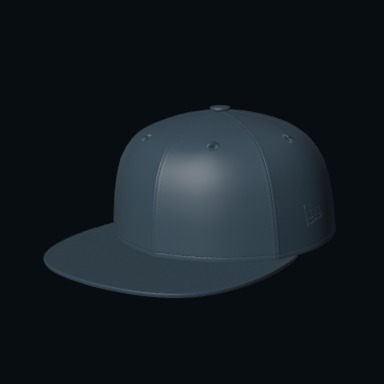
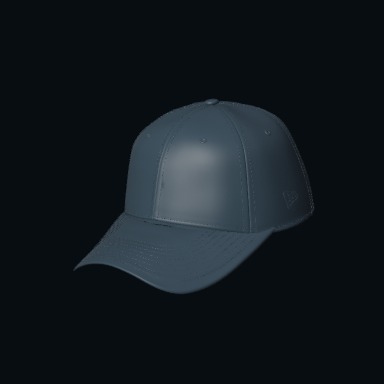
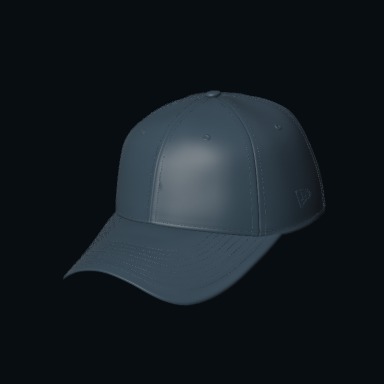
Different silhouettes, viewed from the same angle.
A selection from a later reference-fitting benchmark.
Procedural embroidery
We used Inkscape and its Ink/Stitch extension behind a Python API to turn prepared SVG artwork into stitch plans, previews and material maps.
A supplied guide tells the system which areas should be flat or raised. The resulting assets bring thread and depth into the 3D editor.
More about the embroidery workflow ↗The output
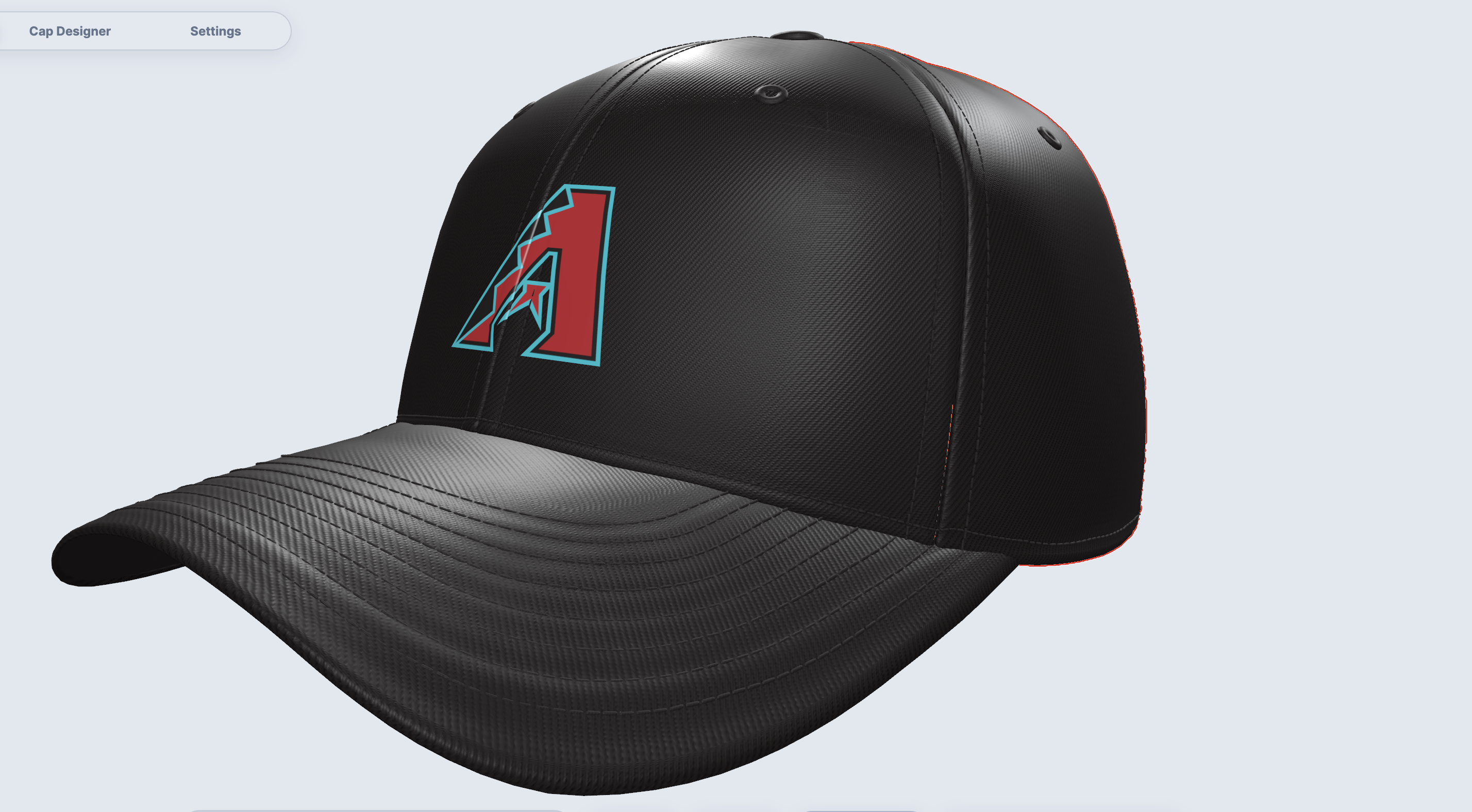
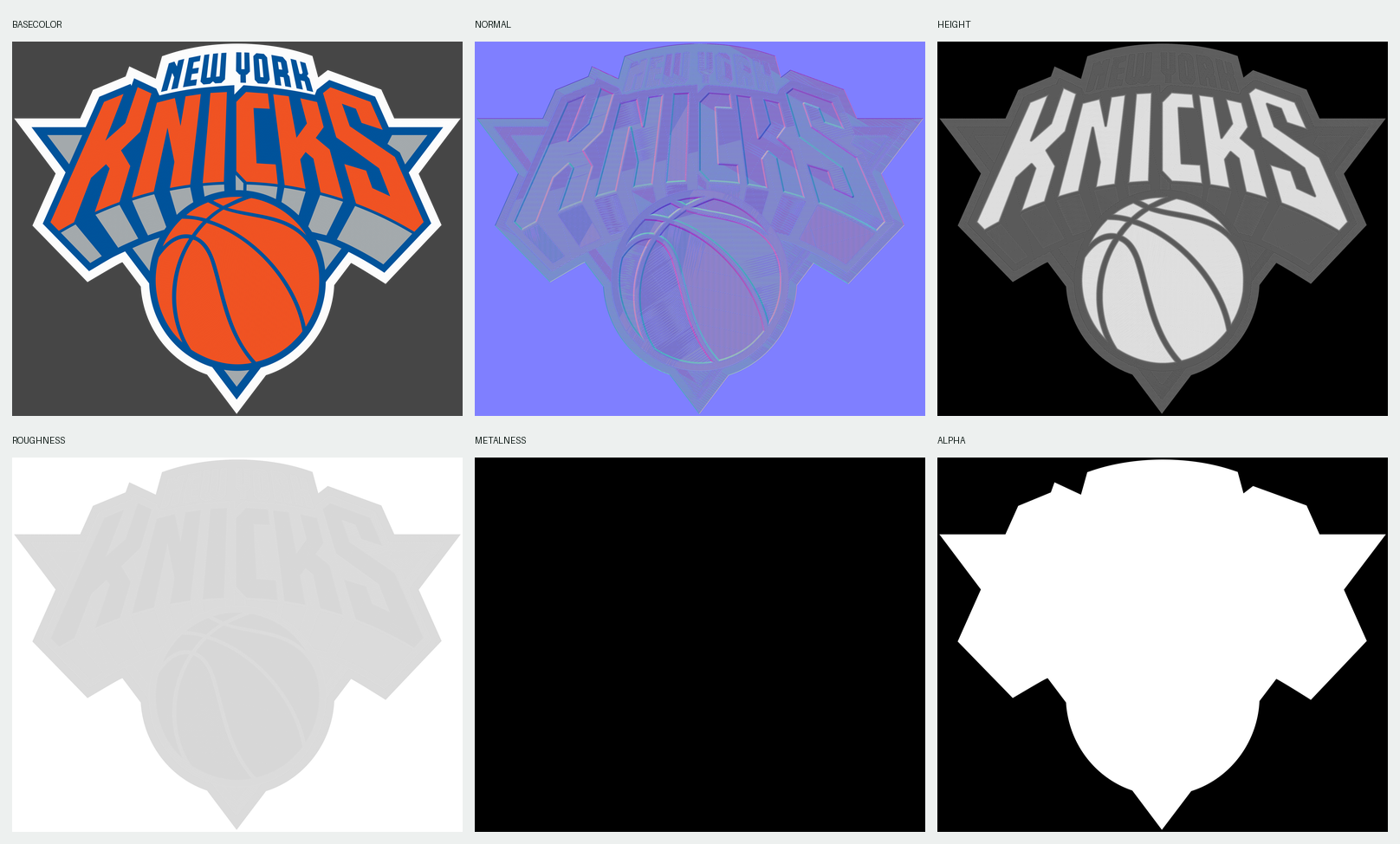
The base-color map holds the artwork. The other maps describe the surface and its height, so the stitches respond to light in 3D.
A documented delivery batch included 120 front and rear logo placements across 60 teams.
The editor
In Capbuilder, the cap and artwork come together. A designer can place a logo, adjust its appearance and inspect the result from different angles.
What came next
After delivery, we explored how AI agents could help future 3D artists interpret references, propose adjustments and check new cap models.
The original embroidery workflow was delivered in approximately two weeks. The AI-assisted fitting work was a separate extension.
Back to top ↑